
HEIGHT OF SUMMER
Slumber fade-out and remorse fade-in.
Third-quarter vulture’s beak and claws.
Sneaky, icy, gooey. Matte-black flower.
Oak tree roots sunk in prime grounds,
subtly poisoned sap up to the surface.
Ooze, evaporation, skin-bone osmosis.
Reminiscence-ghosts miasma. Choke.
Hail of flashing frames. Words of hate,
vitriol splatters spewed at a shut door,
weep, sobs and sighs on the other side.
The growl and hiss of a sick, skinny cat
in the ears, its glossy, wall-nailing gaze
in the eyes. Meshes of an infinite night.
In the shining distance into years ahead
a spare old man sits and stares in front
of the glimmering sea, looks for a child
he lost, one he would like to bring back
from the blurs of a shady past, cleanse,
soothe, make play anew. No more knots
in the stomach, nightmares, bitter tears.
The old man fears he may be barking up
the wrong tree again but keeps scanning.
In the boundless alien room the darkness
slowly recedes, chased by leaks of dawn.
A child is floating somewhere over there,
yet impossible to see, too far out to sea.
CHIAREGGIO
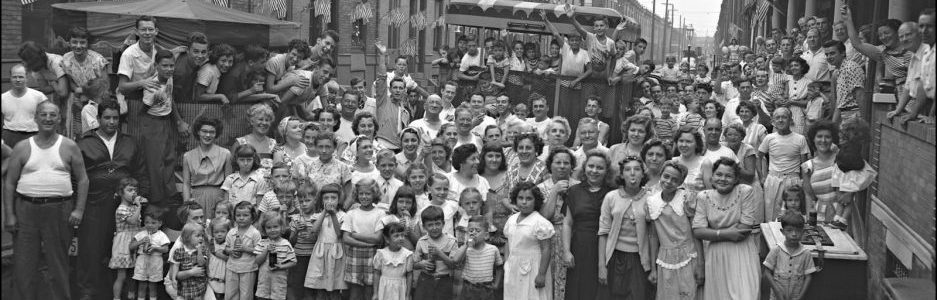
August, the pioneer years.
Some twenty families,
gathered in a stone-clad building,
the Alpini’s barracks type.
No en suite rooms,
no communal showers,
no heating.
A long, narrow refectory,
strict dining schedules,
exact portions, as if sized with a ruler,
the same for everybody.
No difference of treatment
based on status or age,
none in the least.
A miniature replica
of their small lowland village,
perched on the peaky edge of nowhere.
They all longed
and waited eleven months for it.
The bravest ones daring the Mallero,
for a wash or a stunt;
folk and mountain songs
sung in choir around a bonfire
under the Milky Way.
Tiny Mr. Foglia’s bossiness and swearing;
the early-morning prayers
in the chilly basement, before a hike.
One watermelon cut
into sixty inexorable thin slices;
the legendary Rusca Trail
beneath the ice-scintillating crests,
crossing the watershed into Graubünden.
The eighties came,
brought along wealth and comfort,
sophisticated habits and needs,
the platitude of modernism.
Everything changed.
Most forgot the treasured valley,
the Spartan spirit,
the sense of belonging.
Some, a bunch of moral survivors,
still think of the old hamlet as the place.
Few go back to it, once in a while,
to refresh their memories.
There,
secreted and cherished,
an immaterial footpath winds up,
through the woods, on the moraines,
past the rising snowline, above the rock,
ending where they left themselves.
Alessio Zanelli is an Italian poet who writes in English. His work has appeared in over 200 literary journals from 18 countries. His sixth collection, titled The Invisible, was published in 2024 by Greenwich Exchange (London). For more information please visit http://www.alessiozanelli.it.
 OVUNQUE SIAMO